

Planning school CCTV for the next holiday window? Speak to our team on 0161 834 9345
School CCTV Systems
School CCTV Systems Designed Around Safeguarding, Privacy and the School Day
CCTV for schools, academies, colleges and nurseries, planned with your safeguarding lead and data protection officer, installed around term dates and supported by an IT company that understands school networks.
Microsoft Solutions PartnerCyber Essentials Plus certifiedEducation IT specialists
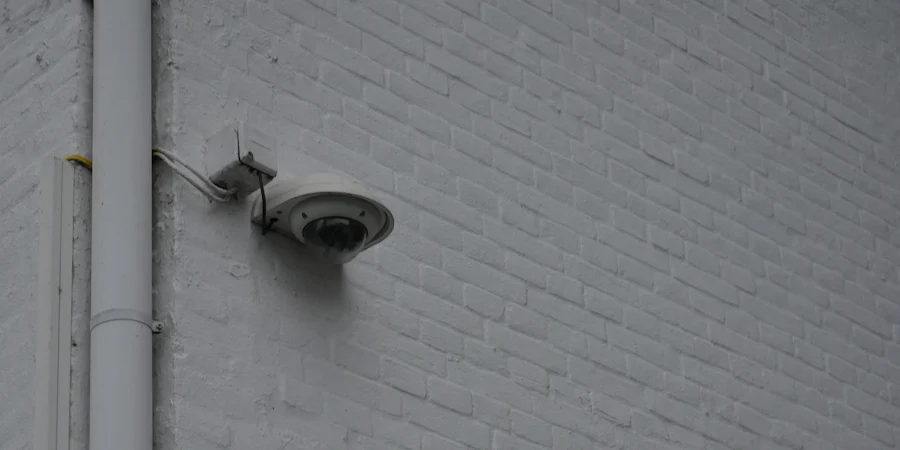
What are school CCTV systems, and what should they achieve?
Quick Answer
School CCTV systems are camera networks that help a school protect pupils, staff, visitors and property. A well-designed system covers entrances, perimeters, car parks and circulation areas, records at a quality that supports investigation, is secured against misuse and complies with data protection law. NetMonkeys designs, installs and supports school and education CCTV systems for schools, academies, colleges and nurseries.
Schools use CCTV for several reasons at once: deterring intruders and vandalism, monitoring who comes and goes, supporting safeguarding procedures, protecting expensive equipment and giving leaders reliable evidence when an incident needs to be reviewed. Those aims pull in different directions. The best coverage for site security can be intrusive if applied to areas where children expect privacy, and a system designed purely around footage may ignore the people who must manage it.
That is why we begin with a conversation about purpose rather than a camera count. We ask your headteacher or business manager what problems you are trying to solve, involve your safeguarding lead and data protection officer, and design the system to match. The result is a proportionate system you can justify to governors, parents and inspectors, rather than a blanket installation that creates more questions than it answers.
Where school CCTV systems earn their place on a school site
Every school is different, but the same areas tend to carry the greatest risk and the greatest value. The table sets out where cameras are normally considered and what each position is intended to achieve.
| Area | What the cameras do | Design considerations |
|---|---|---|
| Perimeter and gates | Detect and record access to the site, deter climbing and vandalism, and cover vehicle entrances | Weather-rated cameras, night-time infrared, lighting and clear signage at each entrance |
| Main entrance and reception | Record visitors, support sign-in procedures and cover the secure lobby | Identification-quality images, integration with door entry and a view of the whole entrance area |
| Corridors and circulation | Provide visibility of movement between buildings and into stairwells | Wide views, avoiding classroom interiors, and positions that cover blind spots without staring into rooms |
| Playgrounds and external grounds | Monitor open areas outside school hours and cover boundaries | Positions that respect neighbours, with privacy masking for adjacent windows and gardens |
| Car parks and drop-off areas | Record vehicle movements, support incident reviews and deter theft | Coverage matched to lighting, plus clear signage and defined retention |
| Plant rooms, ICT rooms and stores | Protect high-value equipment and sensitive systems | Cameras tied to door entry events and access logs, with restricted viewing rights |
Equally important is what a system leaves out. Cameras do not belong in toilets or changing areas, and classroom coverage needs a strong justification and careful governance. We will tell you plainly where we think a camera is not appropriate, even if you ask for one.
CCTV compared with other school security measures
CCTV works best as one layer in a wider security approach. Asking what each measure actually does helps you spend on the right things first, and avoids expecting a camera to solve a problem it cannot solve.
| Measure | What it does well | What it cannot do alone |
|---|---|---|
| CCTV | Records events, deters opportunists and supports investigation | Does not stop anyone entering or provide live intervention unless someone is watching |
| Door entry and access control | Controls who enters and when, with an audit trail | Does not record what people do once inside |
| Visitor management | Records who is on site and why, supporting safeguarding procedures | Depends on staff following the process consistently |
| Intruder alarm | Alerts you to unauthorised entry out of hours | Cannot show you what caused the alarm |
| Lighting and fencing | Deters casual intrusion and improves camera performance | Does not detect or record incidents |
The strongest schools combine several of these. A camera that covers a controlled entrance with a clear sign-in process is far more useful than the same camera pointed at an open gate.
School CCTV and data protection: what schools need to get right
Because school CCTV records children, it attracts particular scrutiny. UK data protection law applies, and the Information Commissioner’s Office publishes guidance on surveillance. This is general information and not legal advice, but these duties come up on almost every school project.
- Record a clear purpose for each camera and review whether it remains proportionate
- Involve your data protection officer before design is finalised
- Complete a data protection impact assessment where the monitoring is extensive or sensitive
- Tell pupils, parents, staff and visitors through signs and your privacy notice
- Keep footage only as long as necessary, and delete it securely
- Limit who can view, export and share footage, and keep an access log
- Have a clear process for requests from parents, staff and the police
- Avoid audio recording unless there is a specific, justified need
Some schools will also need to consider the Surveillance Camera Code of Practice, depending on how the school is governed. Your data protection officer or trust can advise. We build these requirements into the design brief, give you template signage and an operating procedure at handover, and work alongside your DPO throughout.
A safeguarding-aware viewing policy for school CCTV
A technically perfect system can still cause harm if too many people can view it, or if footage is shared casually. Before installation, agree who is allowed to watch live views, who can review recordings, who can export clips and who authorises disclosure to parents, the local authority or the police.
- Name the roles that can view live and recorded footage, and keep the list short
- Give each person their own login so every view and export is logged
- Record every export and disclosure, including who requested it and why
- Keep the recorder in a locked room with restricted access
- Review the list of users each term and remove leavers promptly
- Include CCTV in staff induction and your data protection training
We configure user rights and logging to match your policy, and we explain the settings in plain language so your leadership team can check them without technical help.
School CCTV systems in Essex: how we work with schools across the county
Essex has a varied school estate, from rural primaries and village academies to large secondaries and multi-academy trusts in its towns. We deliver school and education CCTV across the county, scheduling works around term dates, exams and school events.
| Area | Typical education sites | What we plan for |
|---|---|---|
| Chelmsford and Mid Essex | Primary and secondary schools, academies and colleges | Larger sites with several buildings, shared car parks and community use |
| Colchester and North Essex | Primary schools, academies, sixth-form and university-linked sites | Mixed old and new buildings, and cabling routes between blocks |
| Southend and South Essex | Secondary schools, special schools and independent schools | Busy road frontages, restricted playgrounds and strict visitor control |
| Basildon, Brentwood and Thurrock border | Academies and trusts with several sites | Multi-site viewing, consistent standards and central support |
| Harlow, Epping and West Essex | Primary schools, early-years settings and further education | Small teams who need simple, reliable systems |
If you are part of a trust with several schools, we can standardise design, policy and support across sites, so each school receives the same level of protection without a separate project each time. See also our IT support in Essex for the wider support we provide to organisations in the county.
Out-of-hours protection: theft, vandalism and arson risk on school sites
Schools are empty for long periods: evenings, weekends and holidays make up much of the year. That is when break-ins, graffiti, theft of equipment and deliberate fires are most likely to go unobserved, and when a well-placed camera has the most value.
Out-of-hours design focuses on approaches to the building, the areas around plant rooms, bin stores and ICT rooms, and any roofs or low walls that make climbing easy. Night-time image quality matters here, so cameras are chosen and positioned for darkness and tested after dusk. Where an intruder alarm is fitted, linking it to the cameras means every activation comes with footage showing the cause.
We also look at the dull but important details: good lighting, tidy bin storage away from walls, and secure access to roofs. Camera coverage is more effective where the physical environment is working with it rather than against it. If your school has had recent incidents, tell us when and where they happened, and we will design coverage around that history.
Built for School Networks
Why school CCTV and school IT belong together
Modern school CCTV runs on the same network as pupils’ devices, staff laptops and management systems. A poorly planned installation can slow lessons, expose cameras to the internet or leave a weak point in your cyber defences.
Because we also provide IT support for schools, we design CCTV networks with your wider environment in mind: separate network segments, correct power over Ethernet capacity, secured recorders and remote access that does not rely on default passwords. We can also join CCTV to your door entry and access control, so entrance events and footage tell a single story.
Where your school is working towards Cyber Essentials, we make sure the CCTV is not the exception that breaks the rule.
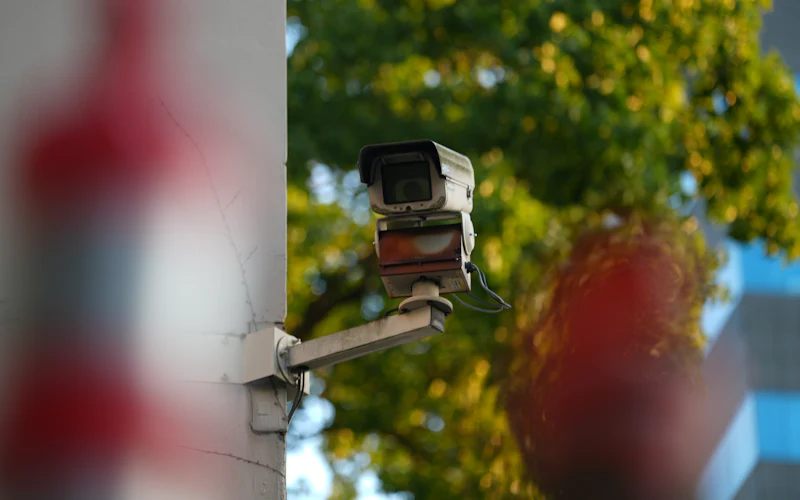
Installing school CCTV without disrupting teaching or safeguarding
Most disruption on school projects comes from poor planning rather than the work itself. We schedule noisy and invasive work for holidays, weekends and after school wherever we can, and agree arrangements for any work that must happen during the school day.
- Installation windows agreed with your site manager around term dates and exams
- Working areas cordoned off, with tools and cable stored securely
- Visitor sign-in, badges and escorting in line with your own procedures
- Vetting arrangements agreed before any engineer attends, including enhanced checks where your policy requires them
- Noisy work such as drilling kept away from lessons and examinations
- Clear communication with your staff about what will happen and when
Tell us your safeguarding and visitor policy at the start and we will work to it. We would much rather you ask us hard questions at the quoting stage than discover a mismatch on the first day of the project.
Our school CCTV installation process, from survey to review
Purpose-led survey
We walk the site with your headteacher, business manager or site manager, discuss risks and record entrances, perimeters, blind spots and cable routes.
Design with your DPO
A written design shows camera positions, fields of view and image quality. Your data protection officer reviews it, and privacy masking is added where needed.
Installation around the school day
Work is scheduled for holidays and after hours wherever possible. Cabling, cameras and recorders are installed, with disturbance made good.
Commissioning and training
We test every camera in daylight and darkness, secure the network and train authorised staff to review and export footage correctly.
Support and annual review
Documentation, signage and a named contact are provided. We offer maintenance visits and an annual review of positions, retention and access.
The process is the same for a single primary school as for a multi-academy trust, though the scale of surveying, documentation and training differs. For trusts we usually propose a standard specification followed by phased roll-out.
What affects the cost of school CCTV systems
School budgets are tight and every purchase needs justification. We give itemised, fixed-price proposals that governors and trust boards can understand, so you can compare like with like. These are the main factors that move the price.
| Factor | How it affects the price |
|---|---|
| Site size and number of buildings | More buildings mean more cable routes, cameras and network equipment |
| Number and quality of cameras | Entrances and car parks may need identification-quality cameras, while general views cost less |
| Cabling and building construction | Older masonry, long runs between blocks and roof access add labour |
| Recording and retention | More cameras and longer retention need larger storage and sometimes secondary storage |
| Access control and integration | Linking CCTV to entry systems adds design and commissioning time |
| Remote viewing for authorised staff | Secure access for site managers and leaders adds configuration |
| Maintenance and support | Planned visits and monitoring are priced separately and can be spread across years |
Funding arrangements vary between local authority schools, academies and independent schools, and many schools need three comparable quotes or governor approval. We provide the documentation you need for that process, and your business manager can tell you which budgets apply.
Presenting school CCTV to governors, trustees and parents
Spending on CCTV needs to be explained as well as justified. Governors will ask what problem the cameras solve, parents will ask what is recorded and who sees it, and inspectors may ask how the system fits with your safeguarding and data protection arrangements.
We help by providing a plain-English summary of the design, a camera schedule explaining the purpose of each position, a draft privacy notice wording and a short operating procedure. These documents turn a technical installation into something a governing body can approve with confidence, and give your headteacher a clear answer when a parent asks questions.
For trusts, we can also produce a comparison across schools, so that decisions about which sites to prioritise are based on risk and incident history rather than whoever asks first.
School and education CCTV systems for every type of setting
Primary schools
Simple, proportionate systems focused on entrances, perimeters and out-of-hours protection.
School IT support →Secondary schools and academies
Larger sites with multiple buildings, car parks, sports facilities and community use.
Education AV →Multi-academy trusts
Standard specifications, central viewing policy and phased roll-out across several sites.
Managed IT support →Nurseries and early years
Compact sites where privacy, secure entry and parent confidence matter most.
Door entry →Colleges and further education
Mixed-age sites with varied access needs, shared spaces and large car parks.
Classroom AV →Independent and special schools
Tailored designs for sites with specific safeguarding or accessibility requirements.
SharePoint for schools →Ten questions to ask any school CCTV supplier
- Will you involve our data protection officer and safeguarding lead in the design?
- How will you keep cameras out of toilets, changing areas and other private spaces?
- What image quality will each camera achieve, and at what distance?
- How will footage be stored, retained and deleted?
- Who will be able to view and export footage, and how is access controlled?
- How will you work around lessons, exams and our visitor rules?
- How is the network secured, and who holds the administrator passwords?
- What training and documentation will our staff receive?
- How are faults handled during term time, and how quickly do you attend?
- Can you support the school’s wider IT, network and cyber security as well?
A supplier who answers confidently, and in writing, is one worth taking forward. Vague answers about privacy and remote access are a warning sign.
Keeping school CCTV reliable through the school year
A CCTV system needs regular attention. Lenses get dirty, cameras shift in the wind, recorders fill up and firmware falls behind. Schools also change: new buildings appear, playgrounds are redesigned and staff leave, taking passwords with them. A yearly review keeps the system aligned with the site.
- Scheduled cleaning, alignment checks and night-time testing
- Confirmation that every camera is recording and footage can be exported
- Security updates for recorders and cameras
- Review of who holds viewing rights, with leavers removed promptly
- Updated camera layouts when buildings or grounds change
- A single support contact alongside your wider IT arrangements
Our managed IT support can include CCTV health checks within the same agreement as your network, so a failed disk or offline camera is dealt with before it matters.
CCTV alongside door entry, classroom technology and school IT
Door entry and access control
Secure entrances, log access and link events to camera views.
Explore access control →Network cabling
Structured cabling for cameras, access points and classroom technology.
Explore cabling →Classroom AV
Display and presentation technology that works with a well-planned network.
Explore classroom AV →School IT support
Day-to-day support, security and cloud for the whole school.
Explore school IT →Managed security
Protect school data and systems against cyber attack.
Explore security →Cyber Essentials
Certification that shows your controls meet a recognised baseline.
Explore Cyber Essentials →How a project might run for a two-form-entry primary school in Essex
This is a representative scenario rather than a named client, included to show how a typical school project develops.
The Starting Point
A primary school has a few ageing cameras on the main building and nothing covering the car park or side gate. Recordings are patchy and the headteacher is unsure who can view them.
The Work
We survey with the headteacher and DPO, agree a proportionate design, install IP cameras at the gates, main entrance and car park during the summer holiday, link them to door entry and secure remote viewing for two named staff.
The Outcome
The school has clear signage, a defined retention period, a short operating procedure and an annual check, and governors have a documented rationale for every camera.
The credentials behind our school installations
20 yrs
Supporting UK organisations
5×
Microsoft Solutions Partner designations
CE+
Cyber Essentials Plus certified
3
Offices: Manchester, Nottingham, London
School CCTV systems: questions from headteachers and business managers
How much do school CCTV systems cost?
Cost depends on the size of the site, the number and quality of cameras, cabling, storage and integration. We survey the school and give an itemised fixed-price quote that governors can review.
Do schools need to have CCTV?
There is no general requirement for every school to have CCTV, but many choose it for site security and safeguarding. The decision should be proportionate and recorded, with a clear purpose for each camera.
Where should CCTV not be installed in a school?
Cameras do not belong in toilets or changing areas, and classroom coverage needs strong justification and governance. We advise against positions that cannot be justified.
Do we need a data protection impact assessment?
Often yes, particularly where monitoring is extensive or covers areas used by children. Your data protection officer can advise, and we give them the information they need about each camera.
How long should school CCTV footage be kept?
Keep footage only as long as you have a clear reason, and set the period in writing. We size storage to match your decision and show you how to check it.
Can parents ask to see CCTV footage?
People can ask for footage that includes them or their child, and the school must handle requests properly, including protecting other individuals who appear. We provide a simple procedure at handover.
Can school CCTV record audio?
Audio recording is more intrusive than video and is rarely justified. We recommend video only unless there is a specific, well-documented reason.
When can the installation happen?
Most noisy and invasive work is scheduled in school holidays, at weekends or after hours. We agree the programme with your site manager before work begins.
Are your engineers vetted for working in schools?
We agree your visitor and safeguarding requirements before any engineer attends, including sign-in, escorting and enhanced checks where your policy requires them.
Can you install school CCTV across a multi-academy trust?
Yes. We can produce a standard specification, policy and support arrangement, then roll it out across sites in phases.
Can CCTV link to our door entry system?
Yes. We can link entrance events to camera views and recordings, so staff can see who accessed a door and when.
Do you provide school CCTV systems in Essex?
Yes. We deliver school and education CCTV across Essex, scheduling works around term dates, and can include the systems in a wider IT support arrangement.
Can you support the school network and IT as well?
Yes. We provide IT support for schools, so CCTV, networks, devices and security can sit under one accountable supplier.
More from NetMonkeys for schools and education
CCTV Installation Services
Our national overview of commercial CCTV design and installation.
Explore CCTV →IT Support for Schools
Managed IT support for schools and academies.
Explore school IT →Education AV Solutions
Audio visual systems for classrooms and lecture spaces.
Explore education AV →IT Support Essex
Managed IT support for Essex organisations.
Explore Essex IT →Choosing school CCTV systems that are proportionate, secure and supportable
The best school CCTV systems are the ones a school can explain. Every camera has a clear purpose, private areas stay private, footage is secured and the site team can use the system without calling a technician. If you are looking at school CCTV systems in Essex or elsewhere, start with a conversation about what you want to achieve, and bring your safeguarding lead and data protection officer into the discussion early.
Tell us about your site and we will survey it, propose a design and give you a fixed-price quote. You can also see how we approach installation more broadly on our CCTV installation services page, or explore our work for London, Manchester and Birmingham organisations.
Tell us about your school and we will plan a proportionate system.
A purpose-led survey, a written design and a fixed-price quote, with no obligation.
