IT Support for Social and Community Care, Built Around Safe, Compliant Care Delivery.
Managed IT for care homes, domiciliary care agencies, supported living providers, housing associations and care charities. Secure digital care records, reliable mobile working, CQC-ready evidence and a 24/7 helpdesk, delivered by a Microsoft Solutions Partner that understands why care cannot wait for a ticket to be answered.
Managed IT support for social and community care providers
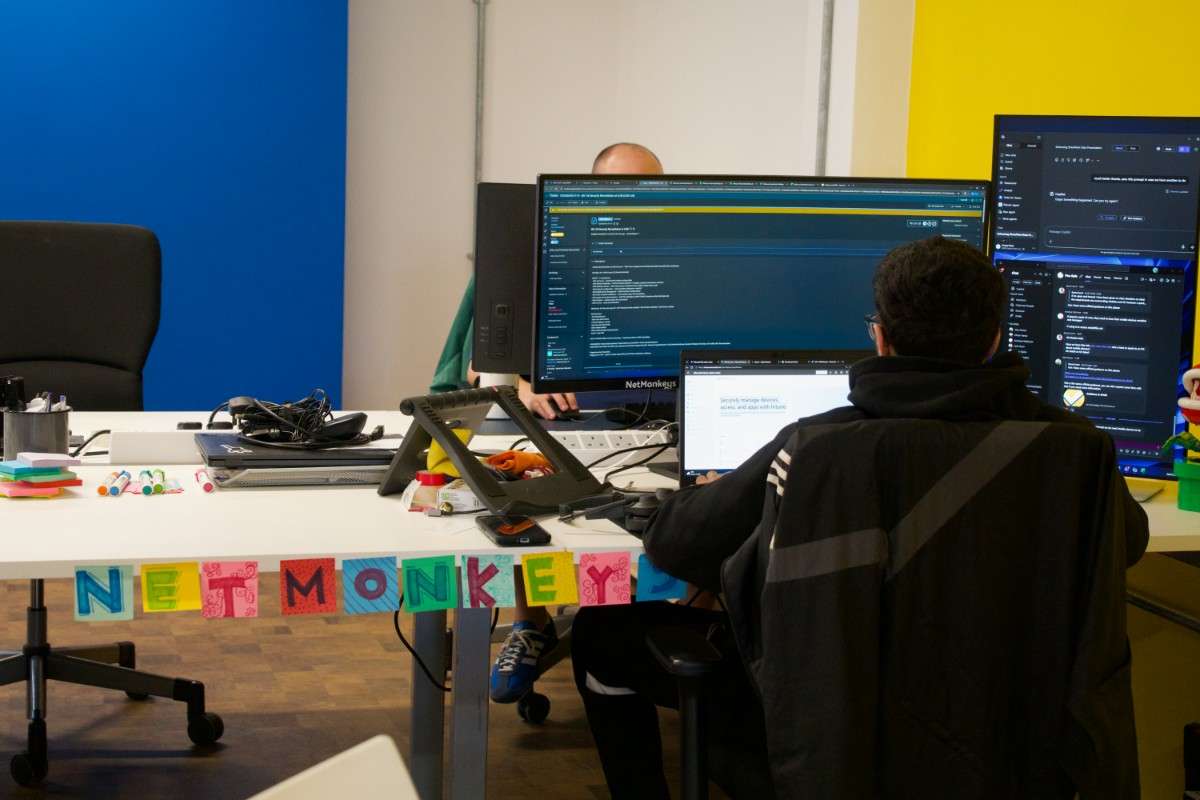
IT support for social and community care from NetMonkeys covers digital care records, secure Microsoft 365, mobile devices for carers, telecare and telephony connectivity, cybersecurity, backup and the evidence CQC inspectors and commissioners ask for, supported by an unlimited 24/7 helpdesk and a fixed monthly fee.
Social and community care is one of the few sectors where an IT failure can become a safeguarding issue within the hour. A care home that cannot open its medication administration records at the start of a night shift, a domiciliary care rota that fails to reach carers before their first visits, or a supported living scheme whose alarm system loses its connection are not inconveniences. They are risks to people who depend on the service. Yet most providers run on small budgets, have no in-house IT team and rely on a mixture of consumer-grade equipment, ageing laptops and a handful of cloud systems that nobody has had time to review.
Our approach to care home IT support and community care starts from that reality. We treat the systems that hold care plans, medication records, rotas and safeguarding notes as safety-critical, protect them accordingly, and keep the cost predictable so that a registered manager can budget for it. You get named engineers who learn how your service runs, clear reporting you can show an inspector, and a helpdesk that answers at 3am because that is when care teams actually need it. Many of our care clients also recruit heavily, so our work overlaps with IT support for recruitment where providers run their own bank or agency staffing.
Why IT support for social and community care differs from office IT
A typical office has desks, a fixed network and staff who sit at computers all day. Care services have almost none of that. Staff work across shifts and sites, often on shared devices or personal phones, and spend most of their time with people rather than screens. The information they handle is among the most sensitive that exists: health conditions, medication, mental capacity assessments, safeguarding concerns and family circumstances. The table sets out the differences that shape how we design and support care IT.
| Factor | Typical office | Social and community care |
|---|---|---|
| Where work happens | Fixed desks | Care homes, people's own homes, supported living schemes and in vehicles between visits |
| Devices | Company laptops | Shared tablets, carer smartphones, bring-your-own devices and nurse station PCs |
| Data sensitivity | Commercial and HR data | Special category health data, medication records, safeguarding notes and mental capacity decisions |
| Oversight | Auditors, insurers | CQC, local authority commissioners, NHS bodies, the ICO and, for charities, the Charity Commission |
| Staffing | Stable headcount | High turnover, agency staff, bank staff and volunteers needing fast, controlled access |
| Impact of downtime | Lost productivity | Missed medication, delayed visits, incomplete records and risk to people receiving care |
| Budget | Dedicated IT line | Tight margins set by commissioning rates, so value and predictability matter |
Put simply, IT in a care setting has to be reliable first, simple second and secure throughout. Complicated systems that carers work around are a greater risk than modest systems that everyone uses properly, so we design for the person on shift rather than for the network diagram.
What is included in our care sector IT support
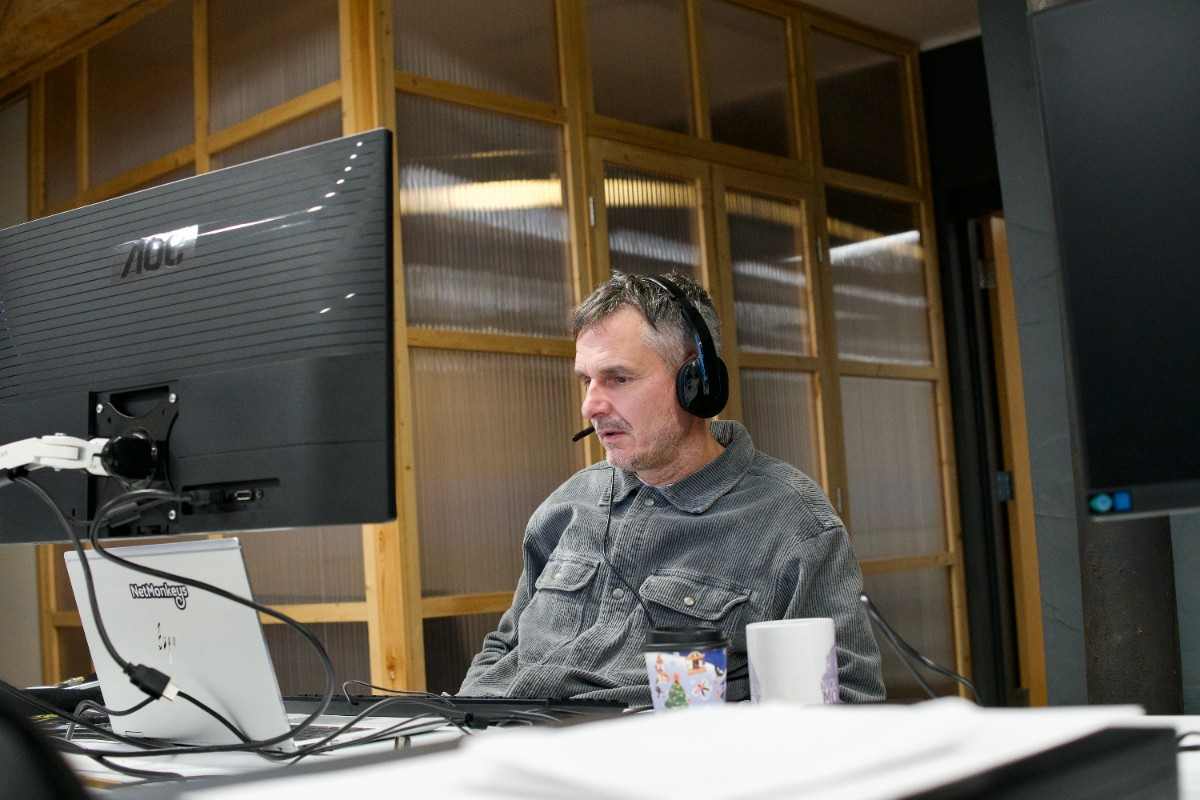
Our managed IT support is tailored to registered care services. The unlimited 24/7 helpdesk sits at the centre, because care does not stop at 5pm, and everything else is configured around the way your teams actually work.
- Unlimited helpdesk cover for carers, nurses, office staff and registered managers
- Support for digital care planning, electronic medication records and rota systems
- Secure Microsoft 365, Teams and SharePoint with role-based access for staff, agency workers and volunteers
- Mobile device management for carer phones and tablets, including remote lock and wipe
- Multi-factor authentication and email security tuned for non-technical staff
- Backups of care records and business data, tested so you know they restore
- Network, Wi-Fi and connectivity design for care homes and supported living schemes
- Help preparing evidence for CQC inspections, commissioner audits and the Data Security and Protection Toolkit
- Telephony and telecare connectivity advice, including the move away from analogue lines
- Rapid joiner, mover and leaver processing so access always matches the rota
- Hardware sourcing, configuration and lifecycle planning at predictable cost
- A named account manager and regular reviews with your registered manager or operations lead
CQC, DSPT and data protection: IT that stands up to inspection
Providers in England are regulated by the Care Quality Commission, which inspects against five key questions: whether a service is safe, effective, caring, responsive and well-led. IT is not a separate heading in that framework, but it runs through all five. Records that are accurate and accessible support safe care. Secure systems support good governance. Reliable communication supports responsiveness. When an inspector asks to see a care plan, a medication record or evidence of how you protect confidential information, the way your systems perform becomes part of the judgement about leadership.
The Data Security and Protection Toolkit
The Data Security and Protection Toolkit is the NHS England self-assessment that organisations complete to show they can handle health and care data securely. Providers with access to NHS patient data and systems are expected to complete it, and many integrated care boards and local authority commissioners now ask for evidence of it in contracts and quality monitoring. Completing it well takes more than ticking boxes. You need to show who has access to what, how staff are trained, how incidents are reported and how backups are protected. We help gather and document that evidence from your actual systems so the submission reflects reality and can be repeated each year without a scramble.
UK GDPR and special category data
Care records are special category data under UK GDPR, which means additional safeguards apply. A breach that is likely to put individuals at risk must be reported to the Information Commissioner's Office within 72 hours of the provider becoming aware of it. That is a tight window if nobody knows who holds the logs or how to identify what was exposed. Our monitoring and logging give your data protection lead the facts quickly, and our incident procedures are written in plain language so a manager on a weekend shift knows exactly what to do.
Cyber Essentials for care providers
Commissioners and larger group clients increasingly look for Cyber Essentials and Cyber Essentials Plus certification as an independent sign that basic controls are in place. We prepare providers for certification, fix the gaps that assessments reveal and keep the controls running afterwards so recertification is routine rather than a fresh project each year.
| Assurance route | Who asks for it | How we help |
|---|---|---|
| CQC inspection | All CQC-registered services in England | Reliable, accessible records and documented security and governance arrangements |
| Data Security and Protection Toolkit | NHS and local authority commissioners | Evidence gathering, gap remediation and annual submission support |
| Cyber Essentials / Plus | Commissioners, group clients, insurers | Readiness review, remediation and certification management |
| UK GDPR accountability | The ICO, families, commissioners | Access controls, logging, retention and breach response procedures |
Digital care records, medication systems and rota platforms
Digital social care records have moved from a good idea to a normal expectation. Electronic care planning and medication administration replace paper that is hard to audit, easy to lose and slow to share with GPs, pharmacists and families. The benefits only arrive, however, if the underlying technology is dependable. A care planning application is only as good as the tablet it runs on, the Wi-Fi that serves it and the sign-in that protects it.
We do not sell care software and we do not replace the system your clinical lead has chosen. We make sure it works. That means checking that handheld devices have enough battery for a full shift, that Wi-Fi covers bedrooms and corridors rather than just the office, that offline modes work for areas with poor signal, and that updates are applied outside medication rounds. We liaise with your software supplier when an issue sits on their side, so you have one number to call rather than three suppliers pointing at each other.
Integration with the wider health and care system
Care providers increasingly need to exchange information with GP surgeries, pharmacies, hospitals and local authorities. Secure email through NHSmail, which eligible providers can apply for, and properly configured Microsoft 365 both help, but only when accounts are managed properly. Shared mailboxes, shared logins and forwarding rules are common in care settings and are a frequent cause of accidental disclosure. We replace them with named accounts, sensible shared mailbox permissions and clear rules on what can be sent where.
Rotas, payroll and finance systems
Rota and payroll platforms connect to timesheets, mileage claims and, for domiciliary care, electronic call monitoring that commissioners may use to verify visits. These systems carry both personal data and funding evidence. We make sure access is limited to those who need it, that exports are not left in downloads folders and that integrations between systems are documented so a change in one does not quietly break another.
Business continuity, lone working and safeguarding for care teams
Care services cannot pause while IT is repaired, so continuity planning belongs alongside your other contingency arrangements. A good plan answers practical questions in advance. If the internet fails, can carers still see today's visits and medication? If the care planning system is unavailable, is there an up-to-date offline summary of each person's needs and medicines? If a laptop is stolen from a car, how quickly can it be locked and how will you know what it held? We write these answers into short, usable procedures and test them, because a plan that has never been tried tends to fail on the night it is needed.
Lone working adds another dimension. Domiciliary and community staff often work alone, sometimes late at night, and rely on phones and alarms to stay safe. Reliable mobile devices, clear escalation routes and a helpdesk that treats a locked or dead phone as urgent all contribute to staff safety as well as service quality.
Safeguarding information deserves the strictest controls of all. Notes about allegations, concerns and multi-agency discussions should be visible only to the small group who need them, with access reviewed regularly and every view logged. We apply role-based permissions and audit trails so that restricted information stays restricted, and so you can demonstrate to a safeguarding lead, commissioner or inspector exactly who has seen what.
Mobile working, connectivity and telecare for community and domiciliary care
Community care teams spend their days in other people's homes, cars and communities. Their phones are their workplace, and they often hold personal data about the people they visit. A lost phone with an open care app is a reportable breach waiting to happen. Our mobile device management allows lost devices to be locked or wiped remotely, enforces screen locks and updates, and separates work apps from personal ones where staff use their own phones, which many providers find is the only affordable option.
Wi-Fi and networks for care homes and supported living
Care buildings are difficult places for wireless. Thick walls, fire doors, lifts and long corridors all cause dead spots, and the network often has to serve residents, visitors, staff, medical devices and building systems at once. We design network infrastructure with separate segments for care systems, guest access and resident use, so a resident's tablet or a visitor's phone never shares a network with medication records. Coverage is surveyed rather than assumed, and the design allows for the growth in connected devices that most services see year on year.
Telecare, alarms and the move away from analogue lines
Many nurse call, door entry and personal alarm systems were designed for analogue telephone lines. The UK's traditional phone network is being retired, with the switch to digital scheduled to complete by January 2027, so providers that still rely on analogue connections need a plan. Moving without testing risks alarms that fail silently, particularly in a power cut. We help audit what depends on the old network, confirm compatibility with suppliers and arrange resilient connectivity with battery backup so safety-critical systems keep working.
| Service type | Typical IT pressure points | What we put in place |
|---|---|---|
| Residential and nursing homes | Wi-Fi coverage, shared nurse station PCs, nurse call and telecare links | Surveyed Wi-Fi, segmented networks, kiosk-style shared logins and resilient connectivity |
| Domiciliary care | Carer phones, rota apps, call monitoring, lost devices | Mobile device management, secure messaging and remote wipe |
| Supported living | Multiple small sites, limited on-site staff, alarms | Standard site build, central monitoring and remote support |
| Care charities | Volunteers, donor data, trustee oversight, tight budgets | Charity-sized plans, volunteer account controls and trustee-friendly reporting |
| Housing and extra care | Resident services, building systems, lone working | Network segmentation, lone worker device support and managed backups |
Cybersecurity for care providers and charities
Care organisations are attractive to attackers because they hold valuable personal data, run lean IT and cannot afford long outages. A successful ransomware attack on a provider is more than a data issue: it can remove access to care plans and medication records during a shift. Our managed cybersecurity is designed for providers without a security team.
For charities, trustees carry responsibility for managing risk, and a serious data breach may be something the board needs to consider reporting to the Charity Commission. We provide trustee-friendly security reports that explain the position in plain English.
Care and community organisations we support
Residential care homes
Reliable Wi-Fi, secure shared devices and dependable care record systems.
Nursing homes
Clinical systems, medication records and links with GPs and pharmacies.
Domiciliary care agencies
Carer mobile devices, rota systems and secure remote working.
Supported living providers
Standardised multi-site IT with central monitoring and support.
Learning disability services
Accessible, simple systems with strong safeguarding of records.
Mental health services
Tight access controls on highly sensitive records and notes.
Care charities and trusts
Right-sized IT for charities with volunteers and trustee oversight.
Housing associations
Resident services, lone working and building-system connectivity.
How IT support for social and community care is priced
Care providers need to know what IT will cost before they commit, because fees are set by commissioners and margins are thin. We price on a predictable monthly basis and agree a fixed quote after understanding your sites, staff numbers, devices and systems. There are no hidden charges for helpdesk calls and no surprises when something breaks.
| Arrangement | Best suited to | How it works |
|---|---|---|
| Fully managed IT | Providers wanting one accountable supplier | Monthly fee covering helpdesk, devices, security, backup and reviews |
| Co-managed IT | Groups with a small internal IT or digital lead | We support your lead with helpdesk overflow, security and projects |
| Project support | New builds, Wi-Fi upgrades, system migrations | Fixed-price project with a clear scope and handover |
| On-demand support | Small services or charities with occasional needs | Pre-agreed rates for remote and on-site help without a long-term commitment |
The factors that move the price most are the number of sites and users, how many devices staff use, the mix of care systems you rely on and whether you need formal assurance such as Cyber Essentials Plus. Our outsourced IT support suits providers who would rather hand the whole estate to one team.
Why care providers choose NetMonkeys
We combine independently audited credentials with a team that answers the phone and speaks plainly. You deal with one accountable provider for your helpdesk, security, cloud and infrastructure, rather than juggling four suppliers when something goes wrong at the weekend.
Our engineers cover the major UK hubs, including IT support in London, IT support in Manchester, IT support in Birmingham, IT support in Nottingham and IT support in Leeds, as well as county-wide cover such as IT support in Essex and IT support in Kent. Remote support is available across the UK.
Independently verified
Microsoft Solutions Partner and Cyber Essentials Plus certified, audited externally rather than self-declared.
Plain-English support
Engineers who explain problems clearly to carers and managers without jargon.
Evidence you can show
Reports and documentation that satisfy inspectors, commissioners and trustees.
Predictable cost
Fixed monthly fees so you can budget against commissioning rates.
One accountable team
Helpdesk, security, cloud and infrastructure from the same provider.
Safety-first thinking
Systems that touch care delivery are treated as safety-critical.
How we onboard a care provider
A conversation with your leadership team
We learn your services, sites, systems, regulator expectations and the problems that frustrate your staff most.
A review of what you have
Devices, network, accounts, backups and security are assessed against CQC, DSPT and Cyber Essentials expectations.
A fixed-price plan
Priorities are sequenced so safety-critical fixes come first, with a clear monthly figure agreed in advance.
Migration without disruption
Changes are scheduled around medication rounds and shift handovers, never in the middle of them.
Support, reviews and reporting
Regular reviews with your manager and evidence packs ready for inspections. See our case studies for how we support other clients.
IT support for social and community care: your questions answered
What does IT support for social and community care include?
It covers a 24/7 helpdesk, support for digital care records and rota systems, secure Microsoft 365, mobile device management, network and Wi-Fi design, cybersecurity, backup, and evidence for CQC, commissioners and the Data Security and Protection Toolkit.
Do you support care homes and domiciliary care agencies?
Yes. We support residential and nursing homes, domiciliary care agencies, supported living providers, learning disability and mental health services, housing associations and care charities, each with an approach suited to how they work.
Can you help with the Data Security and Protection Toolkit?
Yes. We gather evidence from your systems, fix gaps the assessment exposes and help you complete and repeat the submission each year. We do not complete it on your behalf, but we make sure the answers are accurate and supportable.
How does IT support help with CQC inspections?
CQC looks at whether services are safe, effective, caring, responsive and well-led. Reliable records, secure systems and documented governance support all five. We provide evidence of access controls, backups and incident procedures an inspector may ask to see.
Do you work with our existing care planning software?
Yes. We do not replace your clinical system. We make sure the devices, Wi-Fi, accounts and security around it work properly, and we liaise with your software supplier when problems sit on their side.
Can you manage carers' phones and tablets?
Yes. Mobile device management lets us enforce screen locks and updates, lock or wipe lost devices remotely and separate work apps from personal data, including where staff use their own phones.
What happens when the analogue phone network is switched off?
The UK's analogue network is due to be fully retired by January 2027. Telecare, alarms and door entry systems that rely on it need testing and, in many cases, replacement or reconfiguration. We help audit dependencies and arrange resilient connectivity.
Is our care data safe in Microsoft 365?
It can be, if it is configured properly. We apply multi-factor authentication, role-based access, data loss controls and backup, and we replace shared logins with named accounts.
Do you support charities as well as private providers?
Yes. We offer charity-sized plans, volunteer account controls and security reporting that trustees can understand and act on.
How quickly can you respond to a problem?
Our 24/7 helpdesk is staffed by UK engineers. Urgent issues affecting care delivery are prioritised, and out-of-hours cover is included rather than charged as an extra.
Can you support multiple sites?
Yes. We use a standard build for each type of site so new homes or schemes are brought onto the estate quickly and consistently.
What if we have no internal IT person?
That is the most common situation. Fully managed IT means we act as your IT department, with a named account manager who reports to your registered manager or operations lead.
How much does IT support for a care provider cost?
It depends on sites, users, devices and the assurance you need. We agree a fixed monthly quote after a short review, with no hidden charges for helpdesk calls.
More on IT for regulated and people-focused organisations
IT Support for Recruitment
Secure candidate data and fast onboarding for staffing agencies.
View Recruitment IT →IT Support for Law Firms
Confidentiality-first IT for regulated professional services.
View Law Firm IT →IT Support for Insurance
Compliance-led IT for brokers and insurers.
View Insurance IT →Microsoft 365 Support
Secure collaboration and email for care teams.
Explore Microsoft 365 →Getting IT support for social and community care right
Good IT in social and community care is rarely noticed. Records are there when needed, devices work on the first visit of the day, alarms stay connected and an inspector's request for evidence is answered in minutes. Getting there takes a provider who treats care systems as safety-critical, designs for tired and busy staff, and keeps costs predictable. IT support for social and community care works best when it is planned alongside your quality and governance arrangements, with the same attention you give to training and medication management. Choose a partner that can show independent credentials, speak plainly to carers and managers, and answer at 3am.
Talk to a specialist in IT support for social and community care.
A short conversation about your services, a review of your current setup and a fixed quote if it makes sense to work together.