

Running a venue, studio or warehouse in Digbeth? Speak to our security team on 0161 834 9345
CCTV Installation Digbeth
CCTV Installation in Digbeth for Warehouses, Venues, Studios and Developments
Digbeth is one of Birmingham’s most distinctive business districts, and it needs CCTV designed for converted warehouses, late-night venues, canal-side yards and building sites. We survey, design, install and support systems that cope with all of it.
Microsoft Solutions PartnerCyber Essentials Plus certifiedNight-ready design
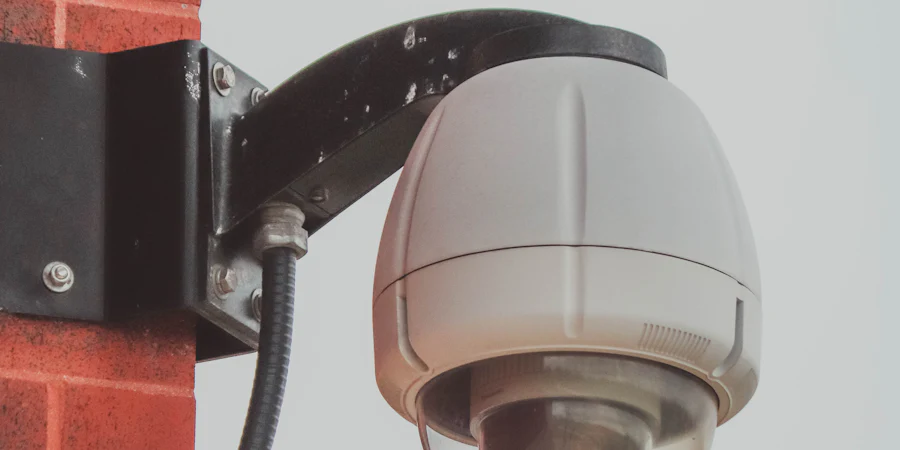
What does CCTV installation in Digbeth involve?
Quick Answer
CCTV installation in Digbeth with NetMonkeys covers a site survey, a written design and fixed-price quote, supply and fitting of cameras and recorders, cabling through older brick and steel buildings, night-time testing, secure remote viewing and ongoing support. We install for warehouses, creative studios, venues, residential blocks and construction sites in Digbeth and the surrounding Eastside area.
Digbeth does not look like the rest of Birmingham, and its security needs do not either. Victorian warehouses sit beside new apartment blocks, former factories hold studios and event spaces, railway arches shelter workshops and bars, and the canal network runs through the middle of it. A single street can contain a loading yard, a licensed venue and a film set, each with a different attitude to cameras.
That variety is why generic packages perform poorly here. A camera chosen for an office reception struggles in a dark yard, a cheap recorder is no use to a venue that must produce footage on request, and a cable route that works in a modern building may be impossible in a listed warehouse. We treat CCTV installation in Digbeth as a design problem first and an installation job second.
CCTV systems for Digbeth premises: what we design and fit
Digbeth’s premises fall into a handful of types, each with its own CCTV priorities. The table summarises the installations we are most often asked to design.
| System | What it covers | Best suited to |
|---|---|---|
| Warehouse and yard CCTV | Gates, shutters, loading docks and open yards with infrared or thermal options for unlit areas | Storage, distribution, trade and light-industrial units |
| Venue and licensed premises CCTV | Entrances, queue areas, bars, tills, cloakrooms and exits, with fast export of footage | Clubs, bars, music venues and event spaces |
| Studio and creative workspace CCTV | Entrances, equipment stores, loading areas and shared spaces without intrusive coverage | Studios, production companies and shared workspaces |
| Mixed-use and residential block CCTV | Entrances, lobbies, bin stores, car parks and cycle stores with careful privacy design | Apartment buildings, managing agents and developers |
| Construction and development site CCTV | Perimeters, gates and plant areas on time-limited projects | Contractors and developers on Digbeth and Eastside sites |
| Retail and trade unit CCTV | Frontages, counters, stockrooms and rear access | Independent shops, cafés and trade counters |
Many premises combine two or more of these, such as a studio with a bar or a warehouse with residential units above. We design for the mix, rather than treating each use as a separate project.
Digbeth’s character, and why it changes how CCTV should be designed
Digbeth has been a manufacturing and trading district for well over a century, and the layout still reflects it: large brick buildings, narrow streets, arched viaducts and canal-side wharves. In recent years it has also become a home to creative businesses, venues and new development, with regeneration around Eastside and the Curzon Street area bringing further change. Each of those layers affects where cameras can go and what they need to see.
| Part of Digbeth | What you find | CCTV considerations |
|---|---|---|
| Gibb Street and the creative quarter | Studios, workshops, bars, events and converted factories | Mixed daytime and late-night use, shared courtyards and a need for discreet but effective coverage |
| Digbeth High Street | Shops, cafés, trade counters and hospitality | Busy frontages, glare from signs and street lighting, and rear service yards |
| Fazeley Street and canal-side | Warehouses, yards, studios and wharf conversions | Dark yards, long perimeters, water-side boundaries and cable routes through thick masonry |
| Bordesley Street and Eastside edge | Development land, construction sites and new apartment blocks | Temporary systems, changing layouts and coordination with contractors |
| Railway arches and viaduct spaces | Workshops, bars, storage and small businesses | Irregular spaces, damp and vibration, and limited fixing points |
The area also falls within a conservation area, and many buildings are listed or locally significant. That does not stop CCTV, but it can affect how and where fixings are made, so consent and landlord approval are worth checking early. We raise the questions at survey stage and choose mounting and cabling methods that respect the fabric.
CCTV for Digbeth venues, bars and late-night premises
Digbeth’s night-time economy is a major part of its identity, and venues here face the most demanding CCTV requirements of any business type. Licensing conditions often set out where cameras must be, how long footage must be kept and how quickly it must be provided to the authorities, and they differ from venue to venue. Check your own licence and talk to your licensing authority if you are unsure.
- Identification-quality cameras at every entrance, exit and queue point
- Coverage of bars, tills, cloakrooms and any areas where incidents are likely
- Cameras that cope with strobe lighting, haze and very low light
- Retention periods that match your licence, with spare storage capacity
- Rapid export of clips by duty managers, without calling a technician
- Secure recorders in locked rooms with restricted access
Lighting in venues is hostile to cameras. Haze, flashing lights and dark corners wash out detail, and an image that looks fine in an empty room can be useless during a busy night. That is why we test cameras in the conditions you actually trade in, and adjust positions and settings until the footage is genuinely usable.
CCTV for Digbeth High Street shops, cafés and trade units
Away from the venues and yards, Digbeth also has a busy mix of independent shops, cafés, takeaways and trade counters. Their needs are simpler but no less real: deterring shoplifting, protecting tills and stock, and having a clear record when a dispute arises with a customer or supplier.
For these premises we typically combine an identification-quality camera at the door, a view of the counter and till, wide coverage of the shop floor and a camera on the rear service door or yard. Positions are chosen to avoid glare from shopfronts and street lighting, and recorders are kept out of public view. Systems are scaled to the premises, with an honest recommendation on how many cameras you actually need rather than how many we could sell you.
Designed for Darkness
Why night-time performance decides whether Digbeth CCTV is any good
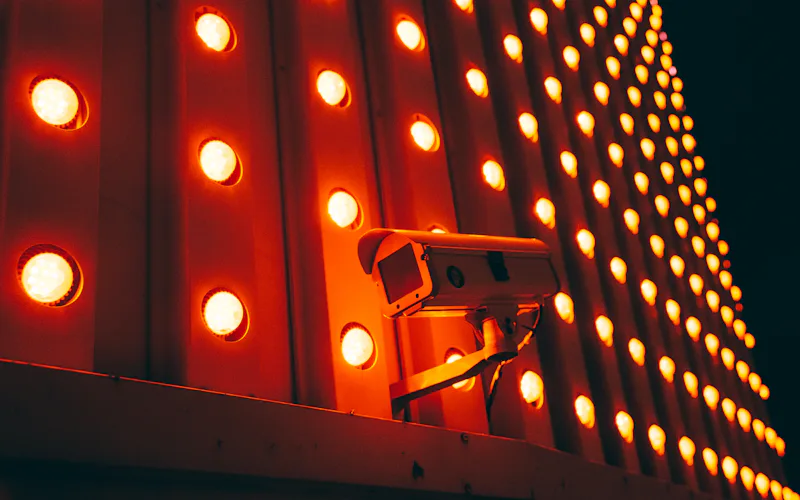
Many of the incidents CCTV is bought to record happen after dark, which is also when cameras perform worst. Poorly chosen units produce grainy, washed-out or blurred footage that cannot identify anyone.
We specify cameras for the light levels each position actually experiences, add infrared or supplementary lighting where it helps, and position cameras to avoid glare from signs, street lamps and passing headlights. Every system is tested after dark before handover.
For large open yards where conventional cameras struggle, we can discuss thermal or analytics-based detection to alert you to movement in places no one should be at night.
CCTV for Digbeth warehouses, yards and canal-side sites
Digbeth’s warehouses combine large openings, high roofs and long perimeters, with yards that are often unlit and shared with neighbours. Effective CCTV starts with the perimeter and gates, then moves inward to loading docks and valuable stock.
Perimeters and gates
Cameras are positioned to cover the full length of boundary walls and fences, with overlapping fields of view so there are no blind spots. Gate cameras are specified for identification of people and vehicles, while wider cameras provide context.
Loading docks and shutters
Docks are where goods and people move most, and where theft and damage are most likely. We cover dock doors from inside and outside, and design coverage so footage shows who was at a door and what was taken.
Canal-side boundaries
Water-side boundaries are often overlooked. We design coverage to account for access along towpaths, and consider the effect of reflections from water on night-time images.
Cabling and power across big buildings
Long cable runs through thick masonry and high roofs need careful planning. We design power over Ethernet capacity, fibre links and switching so that distant cameras are as reliable as nearby ones. Our network cabling team handles the structured cabling this requires.
Installing CCTV in Digbeth’s listed and conservation-area buildings
Fixing a camera to a Victorian brick wall is easy. Doing it without damaging the fabric, breaking conservation rules or upsetting a landlord takes more thought. In Digbeth, many buildings are listed or sit within the conservation area, and consent may be needed for external fixings and visible cabling.
- Check who owns the building and whether landlord consent is required
- Ask whether listed building or conservation area consent applies to external fixings
- Use existing penetrations and mortar joints rather than drilling into brick faces
- Hide cabling in existing routes, internal channels or sympathetic trunking
- Use wireless links only where cable is genuinely impractical and signal is reliable
- Choose discreet camera housings and colours that suit the building
We raise these points at survey stage and give you a clear list of what needs approval. Where consent is required, we provide drawings and photographs to support the application.
Cyber-secure CCTV: protecting the cameras as well as the premises
IP cameras and recorders are computers on your network, and they are a common target. Default passwords, unpatched firmware and recorders exposed to the internet are regularly used to snoop on businesses, or as a foothold into the wider network. In shared buildings, where several tenants rely on one network, the risk is higher.
- Unique, strong credentials on every recorder and camera
- CCTV traffic separated from tills, offices and guest Wi-Fi
- No direct exposure of devices to the internet
- Firmware updates applied on a schedule, and recorded
- Admin rights limited to named people, with leavers removed
- Documentation of IP addresses, devices and warranties
As an IT company, we build these into every installation. Our network infrastructure and managed security teams advise on the wider picture, and our Cyber Essentials experience helps if customers or insurers ask you to demonstrate your controls.
CCTV for construction and development sites in Digbeth and Eastside
Digbeth’s regeneration means active building sites sit beside occupied businesses and homes. Those sites are targets for theft of materials, plant and tools, and for out-of-hours trespass. Contractors and developers need systems that can be installed quickly, adapted as the site changes and removed at the end of the project.
We design temporary and phased CCTV around the site layout, covering gates, perimeters, storage compounds and plant areas, and take account of power and connectivity availability. As phases complete and hoardings move, the system is adjusted rather than abandoned, and footage is retained to support insurance and dispute resolution. Where a site is being turned into occupied space, we can plan the permanent CCTV in advance so that it is installed as part of the fit-out.
Our Digbeth CCTV installation process, step by step
Digbeth projects often involve several parties: tenants, landlords, licensing authorities, contractors and neighbours. A clear process keeps everyone aligned and avoids last-minute surprises.
Site visit and survey
We walk the premises with you, noting entrances, yards, dark spots, cable routes and any landlord, licensing or conservation constraints.
Design and fixed quote
A written design shows each camera’s position and view, with an itemised fixed-price quote covering equipment, cabling and commissioning.
Approvals and scheduling
Where landlord or heritage consent is needed, we support the application, then schedule installation around your trading hours or construction programme.
Installation and night testing
Engineers fit cabling, cameras and recorders, make good, and test every camera at night in realistic lighting conditions.
Handover and support
Your team is trained to find and export footage, and you receive documentation and a named contact, with optional maintenance.
The same stages apply whether you have one camera on a shop front or twenty across a converted warehouse. What changes is the amount of surveying, approvals and testing involved.
How much does CCTV installation cost in Digbeth?
The cost of CCTV in Digbeth depends on the building, the use and the specification, which is why we survey before quoting. A small shop and a multi-floor venue are different jobs, and so are an occupied warehouse and a construction site. These are the factors that move the price most.
| Factor | How it affects the price |
|---|---|
| Number of cameras and positions | Each position needs a camera, mount, cable run and recorder channel |
| Lighting and night performance | Low-light cameras, infrared and supplementary lighting add cost but improve results |
| Building fabric and access | Thick masonry, high roofs and heritage constraints add labour and materials |
| Licensing or insurer requirements | Higher specification and longer retention need better cameras and larger storage |
| Cabling and network | Long runs, fibre links and switching are priced as part of the design |
| Remote viewing and cloud storage | Secure access and off-site storage add configuration and ongoing subscriptions |
| Temporary or phased installation | Systems that must be moved or removed carry additional labour |
| Maintenance | Optional visits and health checks are priced separately |
You will receive one fixed-price quote after the survey. If a quote is far below others, check what has been left out, whether that is cabling, night testing, commissioning or training. Our CCTV installation services page explains our approach in more detail, and for the wider city see our CCTV installation in Birmingham page.
CCTV compliance in Digbeth: licensing and data protection
Businesses in Digbeth often face two sets of rules at once: the conditions on their premises licence, if they have one, and the requirements of UK data protection law. This is general information rather than legal advice, but the practical duties are consistent.
- Follow the CCTV conditions on your premises licence, including coverage, retention and disclosure
- Have a clear purpose for each camera and check it is proportionate
- Display visible signs saying CCTV is in operation and who runs it
- Restrict who can view, export and share footage, and log access
- Keep footage only as long as you need it, then delete it securely
- Be ready to deal with requests from people who ask for footage of themselves
- Avoid cameras in toilets and changing areas, and think carefully before recording audio
- Check whether the data protection fee applies to you
Residential blocks and mixed-use buildings need particular care, because cameras can capture residents’ doors and private spaces. We design with privacy masking and sensible positions, and talk to managing agents about who can access footage.
CCTV and insurance for Digbeth premises
Insurers increasingly ask about security measures at renewal, and properties in busy or regenerating areas are no exception. A well-specified CCTV system can support your case, while a poor one that cannot show a clear image of an intruder offers little. If your policy schedule or a proposal form mentions CCTV, send it to us before we design anything.
We document the specification in plain language: camera positions, image quality, recording and retention, and how the recorder is secured. That gives you something to send to your broker and, if an incident occurs, evidence that the system was designed and maintained properly. Where your insurer sets a specific standard, we design to it and say so in writing.
For landlords and managing agents, a consistent specification across a building or portfolio can also simplify renewals and reduce disputes between tenants about who is responsible for what.
Keeping Digbeth CCTV working: maintenance for tough environments
Digbeth’s environment is hard on equipment. Dust from building work, damp in arches, canal-side humidity, vibration from trains and the occasional act of vandalism all take their toll. Without checks, a system can degrade quietly until the moment you need it.
- Scheduled cleaning of lenses and housings, and alignment checks
- Night-time testing to confirm infrared and low-light performance
- Verification that every camera is recording and footage can be exported
- Firmware and security updates
- Health monitoring of recorders, disks and network links
- Prompt repair or replacement after damage or failure
Because we also provide managed IT support, CCTV health can be monitored alongside your computers and network, with a single point of contact.
Ten questions to ask a CCTV installer in Digbeth
- Will you survey the premises, including at night, before quoting?
- How will you deal with listed or conservation-area buildings and landlord consent?
- What image quality will each camera achieve in our real lighting conditions?
- Does the design meet our licence conditions or insurer requirements?
- How long will footage be retained, and how is storage sized?
- Who can view and export footage, and how is access logged?
- How will the recorder and network be secured?
- What happens if equipment is damaged or fails, and how quickly do you attend?
- What training and documentation do we receive?
- Can you support the rest of our IT and network as well?
If the answers are specific and written down, you are probably talking to a supplier who has done this in Digbeth before. If they are vague, ask for more detail before you commit.
CCTV with door entry, cabling and IT support in Digbeth
CCTV installation in Birmingham
Our city-wide CCTV page for businesses across Birmingham.
Explore Birmingham CCTV →Door entry and access control
Control who enters and link events to camera footage.
Explore access control →Network cabling
Structured cabling for cameras across large and older buildings.
Explore cabling →IT support in Birmingham
Managed IT support for businesses in and around Digbeth.
Explore IT support →Smart workspaces
Technology for studios, shared offices and flexible workspaces.
Explore smart workspaces →Managed security
Monitoring and protection for the wider business.
Explore security →How a project might run for a Digbeth studio and events space
This is a representative scenario rather than a named client, included to show how a typical project unfolds.
The Starting Point
A converted warehouse houses creative studios, an equipment store and a small events space. Existing cameras are cheap, produce poor night images and are managed by a former tenant who still holds the password.
The Work
We survey by day and night, agree conservation-sensitive fixings with the landlord, install new cameras at entrances, loading doors and equipment stores, run cabling through existing routes and reset all credentials.
The Outcome
The building has reliable coverage after dark, access is limited to named managers, the events licence conditions are met, and a six-monthly check keeps cameras clean and recording.
The credentials behind our installations
20 yrs
Supporting UK businesses
5×
Microsoft Solutions Partner designations
CE+
Cyber Essentials Plus certified
3
Offices: Manchester, Nottingham, London
CCTV installation in Digbeth: common questions
How much does CCTV installation cost in Digbeth?
Cost depends on the number of cameras, lighting, building fabric, specification and extras such as remote viewing. We survey first, including at night where relevant, and give a fixed-price written quote.
Do you install CCTV for venues and late-night premises in Digbeth?
Yes. We design for licence conditions, test cameras in real lighting and train duty managers to find and export footage quickly.
Can you install CCTV in a listed building?
Often yes, but consent may be needed for external fixings and visible cabling. We raise this at survey stage and use methods that respect the building.
Can you cover a large, unlit warehouse yard?
Yes. We specify low-light or infrared cameras, supplementary lighting where appropriate and, for some sites, thermal or analytics-based detection.
How long does installation take?
Small systems can take a day, while large warehouses, venues or multi-building sites take longer. We provide a programme with the quote.
Can you install temporary CCTV on a construction site?
Yes. We design phased systems around the site layout and adjust them as the project develops, and can plan permanent CCTV for the finished building.
Can I view my cameras remotely?
Yes. We configure secure remote viewing with unique credentials and role-based access rather than leaving default settings in place.
What footage retention do I need for my licence?
It depends on the conditions on your premises licence, so check them or ask your licensing authority. We size storage to match.
Do you install CCTV for apartment blocks?
Yes, with careful attention to privacy, positions and who can view footage, in discussion with managing agents.
Can you upgrade an inherited or old system?
Yes. We can reset credentials, replace failing equipment and re-use sound cabling, and we will tell you honestly whether the old system is worth keeping.
Do you offer CCTV maintenance in Digbeth?
Yes. Visits clean lenses, test night views, check recording, update firmware and repair faults, and can be combined with managed IT support.
Do you have an office in Digbeth?
Our offices are in Manchester, Nottingham and London. We support Birmingham customers through field engineers and our wider team, and arrange site visits as the project needs.
How is Digbeth different from your wider Birmingham CCTV service?
The service is the same, but Digbeth’s warehouses, venues, heritage buildings and development sites call for specific design choices, which is what this page covers.
More from NetMonkeys around Digbeth
CCTV Installation Services
Our national overview of commercial CCTV design and installation.
Explore CCTV →CCTV Installation Birmingham
City-wide CCTV supply and installation.
Explore Birmingham CCTV →IT Support Birmingham
Managed IT support for Birmingham businesses.
Explore IT support →Network Cabling
Structured cabling for cameras and business networks.
Explore cabling →Choosing CCTV installation in Digbeth that suits the building and the business
Digbeth rewards CCTV that is designed for it: night-ready cameras, heritage-aware fixings, secure recorders and footage your team can actually retrieve. Whether you run a venue, a studio, a warehouse or a development site, the best first step is a survey that looks at the premises as they really operate, including after dark.
Tell us about your building and what you want to protect, and we will explain what we would install, why, and what it will cost. You can also read our wider CCTV installation services overview, or see how we approach CCTV in Birmingham, Manchester and London.
Tell us about your Digbeth premises and we will plan the right system.
A site survey, a written design and a fixed-price quote, with no obligation.
